European yacht-design experience
Naval architecture and yacht design work in the Netherlands developed a practical understanding of concept, engineering and production interfaces.


Naval architecture
6Sigma began in naval architecture. Today that same engineering discipline supports yacht concepts, conversions, structural decisions, stability, production information and delivery.
The engineering foundation
Before dry-dock programmes, refits and integrated project delivery, there was a naval architecture practice.
Jako Laubscher's route into yacht design began with mechanical engineering in South Africa and continued through yacht-focused naval architecture work in the Netherlands. He completed an MSc in Naval Architecture in the United Kingdom while working full time.
He returned to Cape Town and founded 6Sigma Naval Architects in 2012. That design-led foundation still informs how 6Sigma Yachts approaches every consequential technical decision.
Naval architecture and yacht design work in the Netherlands developed a practical understanding of concept, engineering and production interfaces.
Jako brought that international experience home and established an independent Cape Town naval architecture practice.
The wider business grew from engineering consultancy into dry-dock, repair, refit, conversion and multidisciplinary marine project delivery.
6Sigma Yachts gives owners and representatives a yacht-focused relationship backed by the wider engineering and delivery platform.
Design development in practice
Conversion and refit design often begins with incomplete or historic records. The engineering task is to establish a reliable baseline, test the new intent and make each interface clear enough for approval and execution.
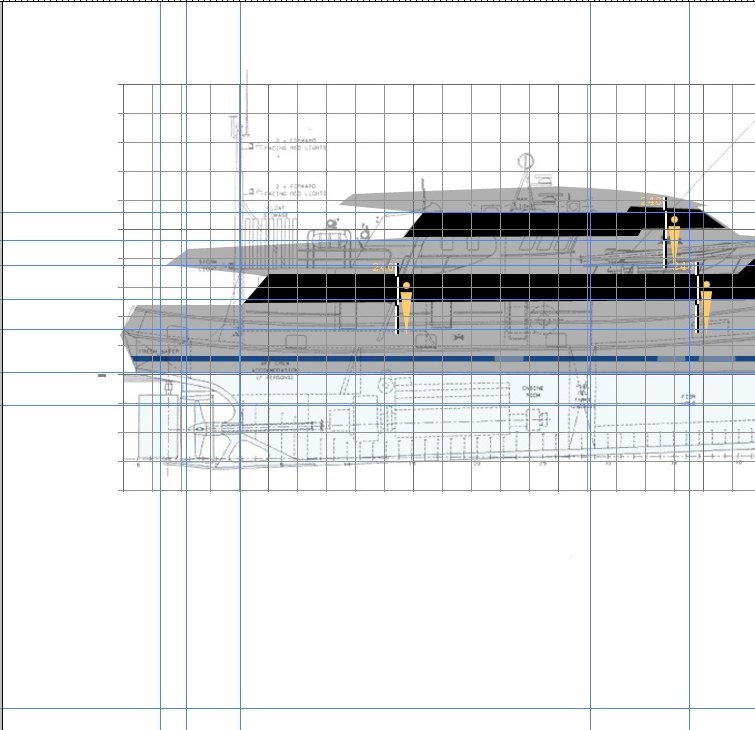
Review the available drawings, survey evidence and onboard information to identify what can be trusted and what must be verified.
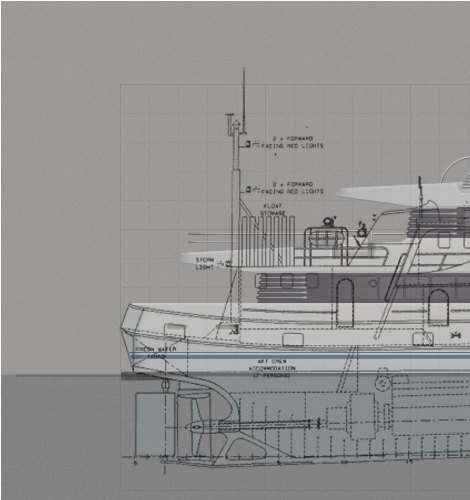
Test proportions, arrangements, access and structural interfaces against the existing yacht and intended use.
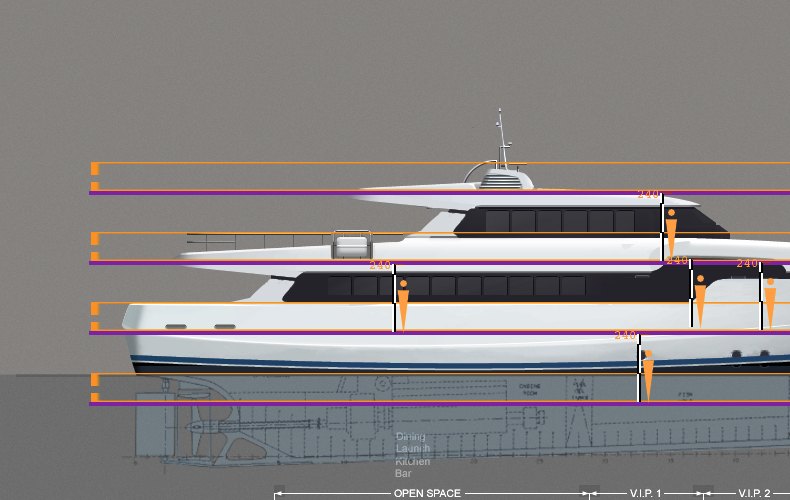
Resolve the preferred direction into a proposal suitable for owner, technical, regulatory and delivery decisions.
Selected design material is presented without client or vessel identities.
Integrated design capability
The appropriate design scope is built around the yacht, the proposed change and the evidence required for a confident decision.
Establish a dependable technical baseline from available records, onboard survey, measurements and 3D capture where required.
Test the owner's objective against space, structure, stability, systems, access, class requirements and the intended operating profile.
Develop deck plans, circulation, guest and crew spaces, equipment locations and the interfaces that shape how the yacht will work.
Assess weight, centres, loading conditions, stability and performance implications before modifications become irreversible commitments.
Engineer structural changes, foundations, penetrations and the integration of new equipment with existing yacht systems.
Translate approved intent into coordinated drawings, fabrication information, technical submissions and accurate close-out records.
Concept, calculation and production
Visual intent is developed alongside arrangement, stability, structural and production requirements so the approved solution can be built, verified and handed over.
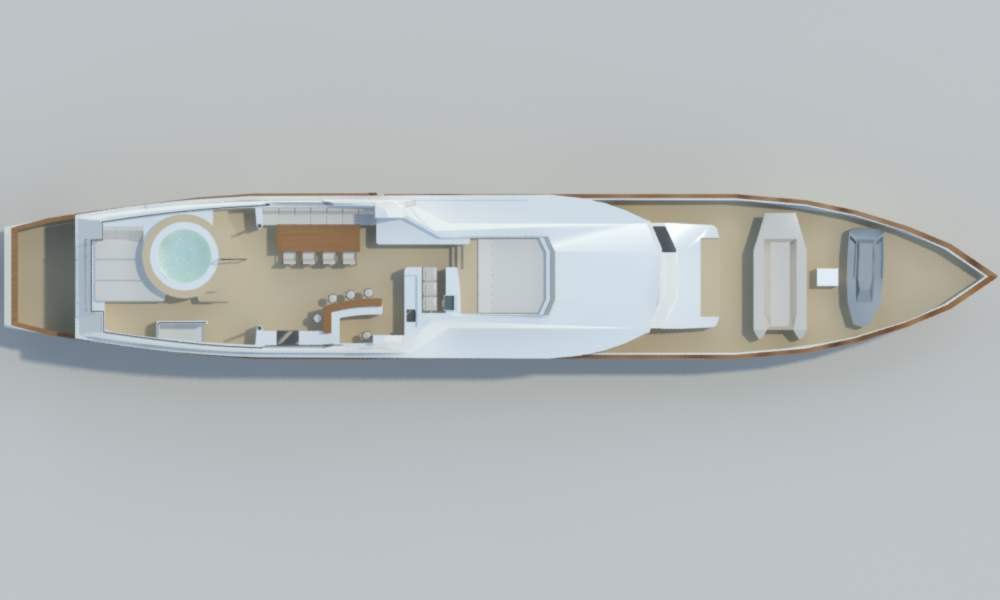
Deck planning, circulation, guest experience, equipment and operational interfaces considered together.

Structural behaviour and design assumptions tested before production commitments are made.

Approved intent translated into coordinated drawings and fabrication-ready technical information.
A yacht-design journey
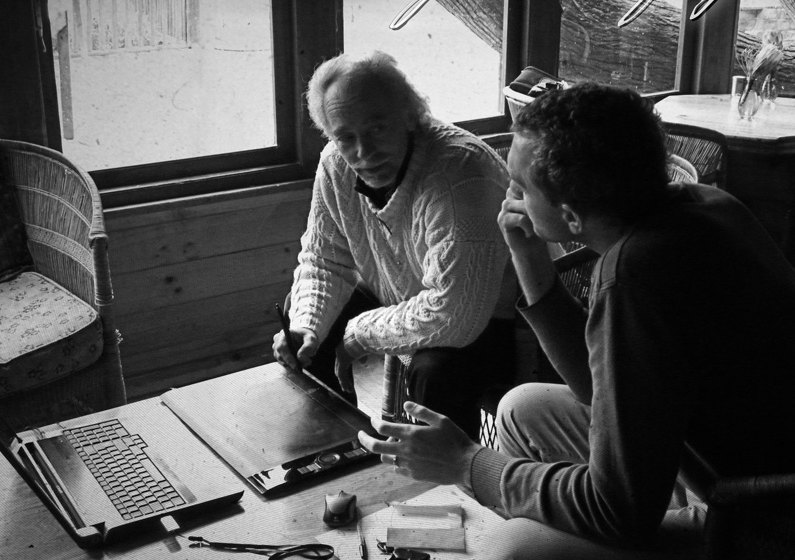
The present capability was built through design offices, shipyards, postgraduate study and hands-on project development.
Early 6Sigma yacht work combined concept design, naval architecture, 3D development and production thinking. The same principle remains central today: aesthetics, engineering and buildability must be developed as one connected problem.
As 6Sigma expanded into wider marine project delivery, the design office gained direct feedback from repair, fabrication, dry-dock and conversion work. 6Sigma Yachts now brings those disciplines back together around the standards expected of a major yacht project.
A controlled engineering pathway
The exact scope changes with each yacht. The discipline of establishing facts, testing the preferred solution and controlling technical change does not.
Confirm what the owner, captain or project team wants the yacht to achieve and which decision must be made.
Review records, survey the yacht and identify the technical constraints, unknowns and governing requirements.
Compare options, coordinate disciplines and test the preferred solution through the required calculations and reviews.
Resolve technical questions during procurement and execution, control approved changes and complete the as-built record.
Naval architecture questions
The right starting point depends on the yacht, the available information and the decision ahead.
Naval architecture should begin before major repair, modification or equipment commitments when the proposed work may affect structure, stability, weight, performance, class compliance, systems interfaces or the yacht's operating profile.
Yes. The starting point can be existing drawings, scans, photographs, onboard measurements and operational knowledge. The team establishes what can be relied on, identifies missing information and develops the survey or digital-capture scope required for a defensible design baseline.
Depending on scope, deliverables can include survey findings, feasibility studies, concepts, general arrangements, stability work, structural analysis, drawings, specifications, equipment-integration information, production details and technical submissions for class review.
Yes. Continuing involvement allows the design team to answer site questions, coordinate class responses, manage approved changes, verify installation intent and close the project with accurate as-built information.
Public examples are selected and edited to remove vessel and client identities. Detailed drawings, calculations, commercial information and project records are shared only with authorised parties through the agreed confidentiality and access process.
Begin with the engineering question
Share the proposed change, available vessel information and the decision that must be made. We will identify the survey, analysis and design evidence required.
Request an engineering review