Extend useful life
Repair, refurbish and upgrade sound assets where this offers a responsible technical and commercial outcome.


Sustainability
A maintenance or refit period is an opportunity to extend asset life, improve efficiency, reduce avoidable waste and prepare the yacht for evolving operational expectations.
A practical refit perspective
The most credible sustainability work begins with the yacht as it is, the way it operates and the decisions that can make a measurable difference over its remaining life.
Repair, refurbish and upgrade sound assets where this offers a responsible technical and commercial outcome.
Review propulsion support, electrical loads, HVAC, pumps, controls and operating conditions for practical efficiency opportunities.
Consider durability, maintenance demand, compatibility, origin and end-of-life implications when materials or equipment are replaced.
Plan water-system, coating, cleaning and containment work around the yacht, facility and applicable environmental controls.
Define responsibilities for segregation, handling, approved disposal routes and project records before work begins.
Close the project with technical records and practical guidance that help captains and crew retain the intended benefit.
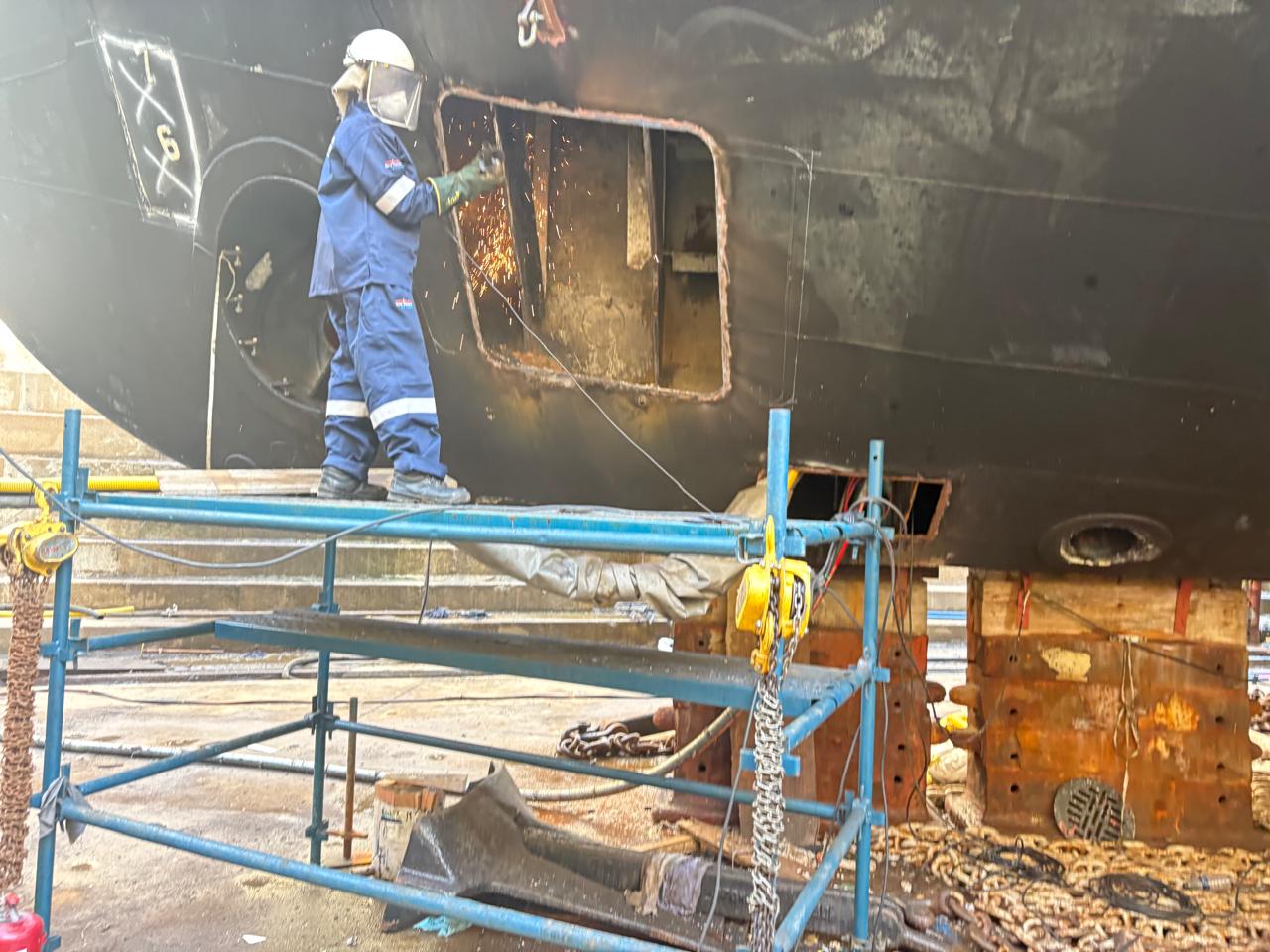
Repair, upgrade, retain value
Extending the useful life of a well-built yacht can preserve embodied value while creating the opportunity to improve systems, materials and operating performance.
The right decision is not automatically to replace. Survey, engineering and life-cycle thinking can distinguish what should be retained, what should be restored and where a modern upgrade will deliver a worthwhile result.
An evidence-led pathway
No environmental outcome should be assumed before the yacht, data and operating profile are understood. The pathway begins with facts and ends with documented decisions.
Review condition, systems, operating profile, available data and the owner's priorities.
Compare technical feasibility, expected benefit, cost, risk and programme impact.
Define interfaces, specifications, specialist input, acceptance criteria and project controls.
Record completed work, testing, operating guidance and the next maintenance requirements.
Technical discussion areas
The eventual scope may be narrow or extensive. These are discussion areas, not promises of a specific saving or environmental result.
Load profiles, generation, propulsion support, controls, battery readiness and opportunities identified by suitable specialists.
Chillers, ventilation, insulation, heat loads, pumps, motors, lighting and controls that influence onboard energy demand.
Fresh-water production, storage, treatment, black- and grey-water systems, monitoring and maintenance condition.
Surface preparation, coating selection, antifouling, cleaning requirements and the relationship between hull condition and performance.
Sustainable refit questions
A credible pathway depends on vessel data, engineering evidence and a scope agreed around the yacht.
Yes. A maintenance or refit period can include targeted improvements such as LED lighting, controls optimisation, HVAC review, insulation, pump and motor efficiency, water-system work or revised operating guidance. The appropriate measures depend on the yacht, technical condition and intended use.
The review can consider the yacht's existing systems, energy and water use, maintenance condition, coating requirements, material replacement, waste streams, technical constraints and the owner's operational priorities. Findings are prioritised according to feasibility, value and programme impact.
A formal assessment or certification requires an agreed methodology, reliable vessel data and, where appropriate, an independent specialist. 6Sigma Yachts can help define the technical scope and coordinate the relevant expertise without claiming a result before that process is complete.
Requirements are established for the specific work package, facility and regulatory context. The project plan can define containment, handling, approved disposal routes, product selection, records and responsibilities with the shipyard, contractors and port stakeholders.
Where relevant to the completed work, handover can include system records, operating guidance, maintenance requirements and specialist recommendations so that technical improvements continue to deliver value after the yacht returns to service.
Plan the next technical period
Share the yacht's present condition, intended programme and operational priorities. We can identify where a focused technical review may add long-term value.
Request a sustainability review